
Washington County · Southern Utah
Custom Home Builder in Central, Utah
Central sits along SR-18 at the turnoff toward Pine Valley. Larger parcels, cooler temperatures than St. George and mountain views attract owners who want room and quiet.
- 25+ years building custom homes
- 45-minute complimentary planning call
- Weekly photo progress updates
The area
Building a custom home in Central, Washington County
From our Cedar City office to Central
About 56 miles: SR-56 west, Bench Road, then SR-18 south through Enterprise, roughly 75 minutes. That keeps Central inside our regular build area, so site visits, deliveries and inspections stay on a normal schedule.
Where people build in Central
The original Central townsite (platted 1920) and Dixie Deer Estates (five phases, 493 lots).
What Central is known for
Starting point of the annual St. George Marathon; edge of Dixie National Forest; the Santa Clara River; State Route 18.
Local facts
Custom homes in Central: permits, water and ground
What we check for every Central lot before design starts. Rules and fees change, so we confirm the current requirements for your parcel with the office that has jurisdiction.
Permits and who issues them
Unincorporated; residential building permits are issued by Washington County Community Development, 111 East Tabernacle St., St. George. Applications are accepted online only. The county checklist requires an approved septic permit from the health department and a wet-stamped geotechnical report or data sheet.
Water, sewer and septic
Culinary water comes from Central Culinary Water Co. (about 31 connections) in the townsite or Dixie Deer Special Service District (about 345 connections). All homes use septic; county septic density for the Central/Dixie Deer area is 6 acres per septic outside platted lots.
Snow, frost and climate
The Utah state code table lists only St. George for Washington County (21 psf ground) and refers other sites to the Utah Snow Load Study (Utah State University). Elevation here is about 5,216 ft; confirm the design value with the Washington County building official.
Ground and site conditions
The county plan reports poor soil conditions for septic in a few areas of Dixie Deer Estates, where two lots use individual sewage treatment systems. Flooding is not identified as a major problem; the Santa Clara River crosses the east end of the community.
Zoning and design rules
Dixie Deer Estates began in 1962, before the county had a subdivision ordinance, and has 493 platted lots in five phases. County rules require proof of culinary water and enough acreage to meet septic density for parcels outside platted subdivisions.
Also worth knowing
Central was incorporated as a town in 1935 and disincorporated in the 1960s; it is named for its position between Enterprise and Veyo. Fire protection is a volunteer department within the North West Fire District.
Building in Central
What we plan for on Central custom homes
Every town around Cedar City builds a little differently. Here is what we plan for on Central homes, before a single line of the floor plan is drawn.
Site costs first
Wells, septic and access drive much of the budget on rural Central lots. We confirm them before design so the plan fits the money.
Water, septic and utilities
Many lots outside town rely on wells, septic and longer power runs. We confirm what your land needs during feasibility, before design, so the budget is real.
Shops, barns and outbuildings
Garages, shops and barns are common out here. Planning them with the house keeps access, drainage and utilities simple.
Why Summit
A calm, guided build, from first sketch to front door
Summit Building Construction is a locally owned Cedar City builder with 25+ years of custom home experience. You work directly with our team, and every decision is explained in plain language.
- Clear, honest budgets. Allowances, finishes and options walked through up front. No surprises.
- Weekly progress updates. Photos, milestones and what is coming next, without visiting the site every day.
- Design for real life. Storage, traffic flow, aging in place and hosting family, so the home still fits a decade from now.
- Your lot or ours to find. We help whether you already own land in Central or are still searching.
“Summit broke everything into clear steps and handled the details. I always knew what was happening, and our home turned out more beautiful and functional than I imagined.”
Emily & David · Summit homeownersOur Process
From first conversation to move-in, you will know what is next
- Vision + feasibilityComplimentary consultation: wish list, style, budget and timing, and what is realistic on your Central lot.
- Design + pricingWe work with your architect or ours to finalize plans, then build a detailed budget with allowances.
- Build + walkthroughsWe manage permits, trades and schedules. You join key walkthroughs to approve milestones.
- Handover + supportMove in with a full orientation, documentation and post-move support.
Summit craftsmanship
Custom homes Summit has built in Southern Utah
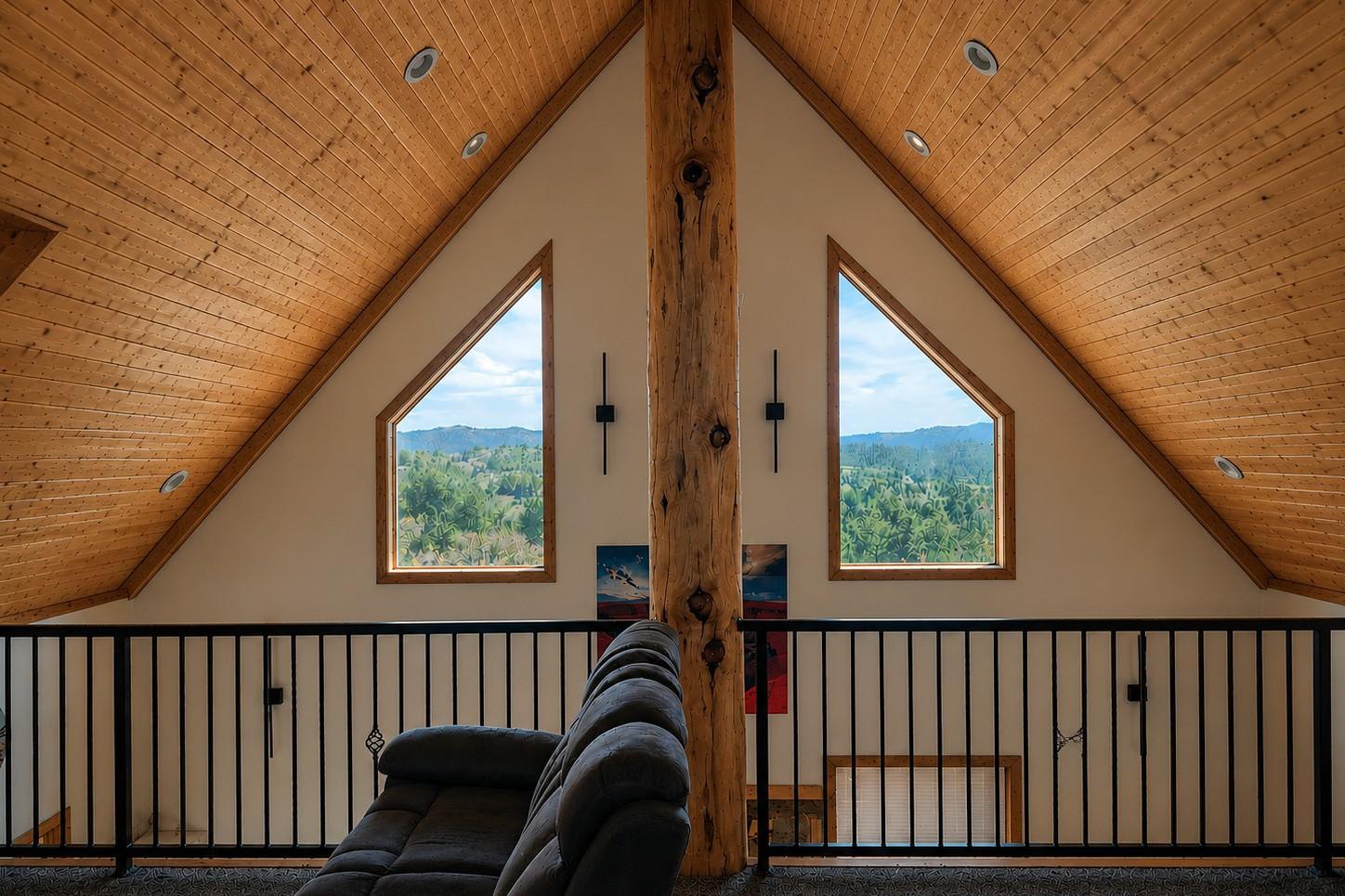
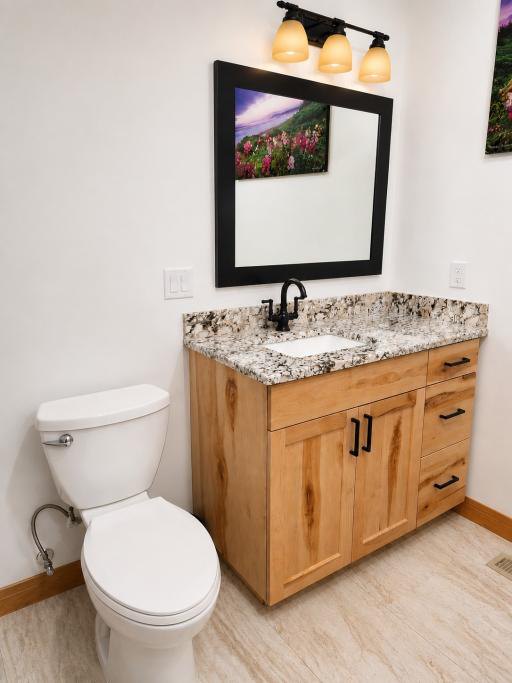
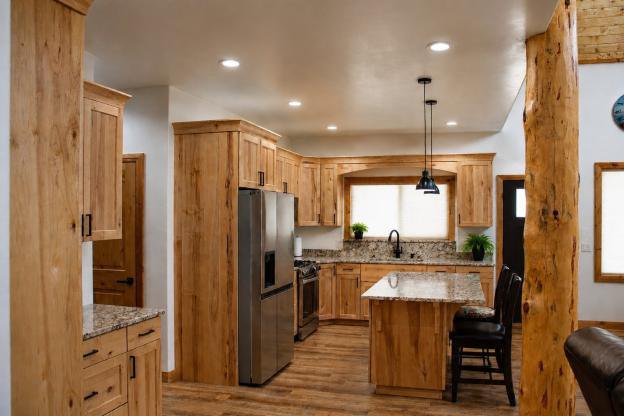
Photos from The Juniper Ridge Cabin. See the full projects: The Juniper Ridge Cabin · The Desert Ridge Barndominium · The Heritage Gable Farmhouse.
Questions
Building a custom home in Central: FAQ
Do you build custom homes in Central, Utah?
Yes. Summit Building Construction builds custom homes in Central and across Washington County. Central is about 36 miles from our Cedar City base, well inside the area we serve.
Who issues building permits for a new home in Central?
Unincorporated; residential building permits are issued by Washington County Community Development, 111 East Tabernacle St., St. George. Applications are accepted online only. The county checklist requires an approved septic permit from the health department and a wet-stamped geotechnical report or data sheet. We prepare and submit the permit package and schedule the inspections for you.
Will my Central lot have city water and sewer, or a well and septic?
Culinary water comes from Central Culinary Water Co. (about 31 connections) in the townsite or Dixie Deer Special Service District (about 345 connections). All homes use septic; county septic density for the Central/Dixie Deer area is 6 acres per septic outside platted lots. We confirm what your specific lot needs during feasibility, before design starts.
Are there soil or site conditions to plan for in Central?
The county plan reports poor soil conditions for septic in a few areas of Dixie Deer Estates, where two lots use individual sewage treatment systems. Flooding is not identified as a major problem; the Santa Clara River crosses the east end of the community. We look at the site early and bring in a geotechnical engineer when the lot calls for it.
Can you build on land I already own in Central?
Yes. Many of our clients already own a lot. In your complimentary consultation we talk through your land, your wish list, budget and timing, and confirm what is realistic on your lot. If you are still looking for land, we can help you think through what to look for.
What does the complimentary consultation cover?
It is a 45-minute planning call with no obligation. We talk through your timeline, budget range and must-have features. You leave with a rough budget range, an estimated timeline and a recommended next step.
Nearby
Also building near Central
Summit builds custom homes in towns across a 50-mile radius of Cedar City. See every area we serve →
Ready to build in Central?
Book a complimentary, no-pressure 45-minute consultation. Bring your ideas, your lot or your questions, and leave with a budget range, a timeline and a clear next step.